

We are the largest international network providing experts and advisers for corporations and governments all over the world.
Popular searches:
- Geopolitics,
- Metaverse,
- Future of Work,
- Diversity,
- Cyber Security,
- Technology,
- Sustainability
Executive Learning
- Bespoke masterclasses to address unique issues and drive change
- Conducted by industry-leading experts
- Designed for executive and senior management level
Keynote Speakers
- Over 4,000 international speakers across all sectors
- Tailored content to each organisation and event
- Influential voices who inspire, challenge and create a lasting impact
Boardroom Advisory
- Access to the world’s most elite heads of state, chairmen and senior directors
- Consulting on issues such as strategy, risk and succession planning
- Designed for senior leadership teams
Online Events
- Effective and efficient in connecting international organisations with expert insights
- Interactive engagement between the speaker and the audience
- Fully comprehensive service
browseour Categories / Topics
Categories
Find a speaker on current global trends

Topics
Find a speaker on a specific topic















FindThe speaker you need for your event
Most Requested Speakers
Former Chief of the Secret Intelligence Service, also known as MI6,...
Business & Management | Future & Technology
Neuroscientist and Leading Expert on Human Decision-Making, Optimism and Emotion

British Conservative politician; Chancellor of the Exchequer from 2016 to 2019
Economics & Finance | Future & Technology
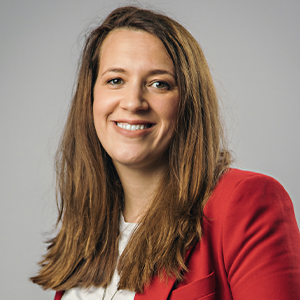
Academic, Advisor and Broadcaster specialising in Generational Intelligence
Business & Management | Society & Education
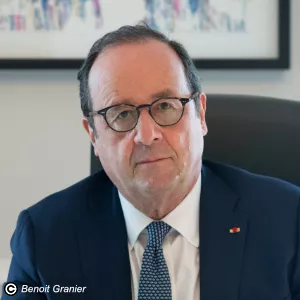
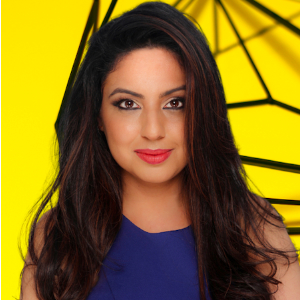

Recently added speakers
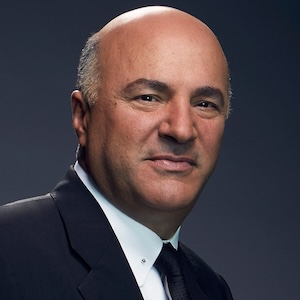
Star of ABC’s 'Shark Tank,' Top Business Speaker, Serial Entrepreneur, Venture Capitalist and Investor

Co-Founder & Business Director, Quantum Rise Talent Group “Taking your Development from Good to Great by Achieving your Goals”
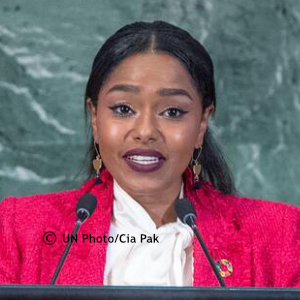
UN Young Leader for SDGs 2022-2024
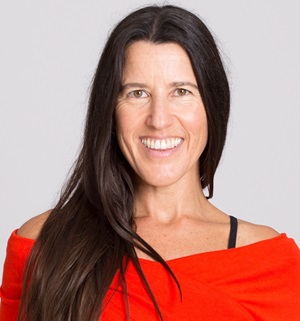
Inspirational Speaker, Transformational Travel Advocate, Mindset Coach
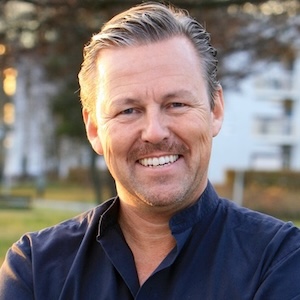
Pioneering finance industry expert and entrepreneur, specializing in AI-driven analytics

Co-Founder of The BroProject, Mental Health and Wellbeing speaker and Movember Ambassador
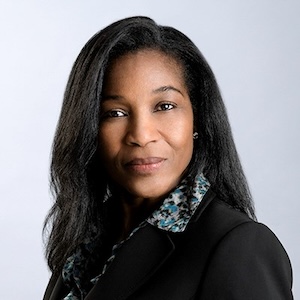
Award-winning Executive in Finance and Business Transformation, Strategic Architect, CFO, Board Director, Entrepreneur, Professor, and Speaker
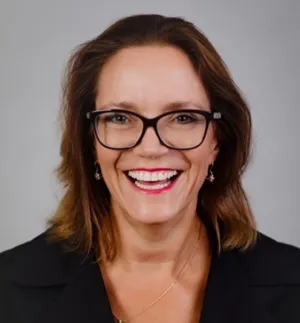
Keynote Speaker, Host of The Chief Psychology Officer Podcast, CEO & Co Founder of Zircon BeTalent and Chartered Psychologist
Trust uslike our reputed clients & speakers
ReadThe latest news and thoughts from our keynote speakers
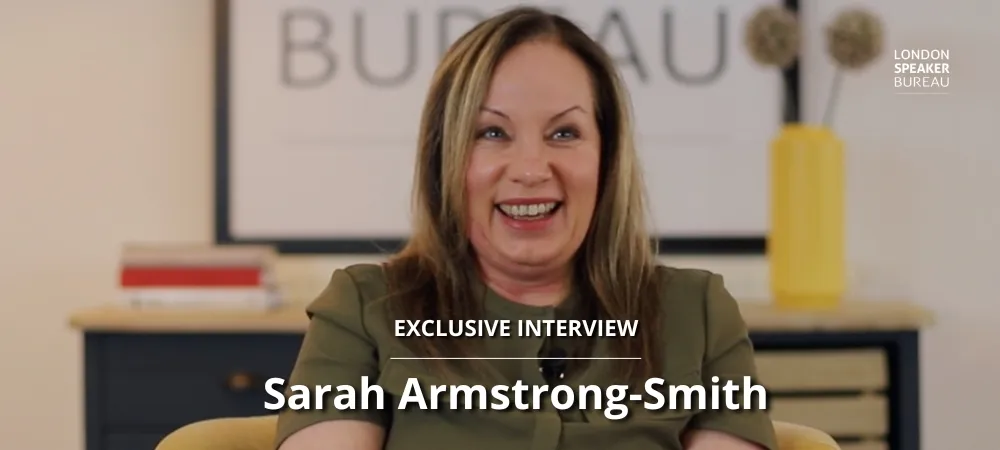

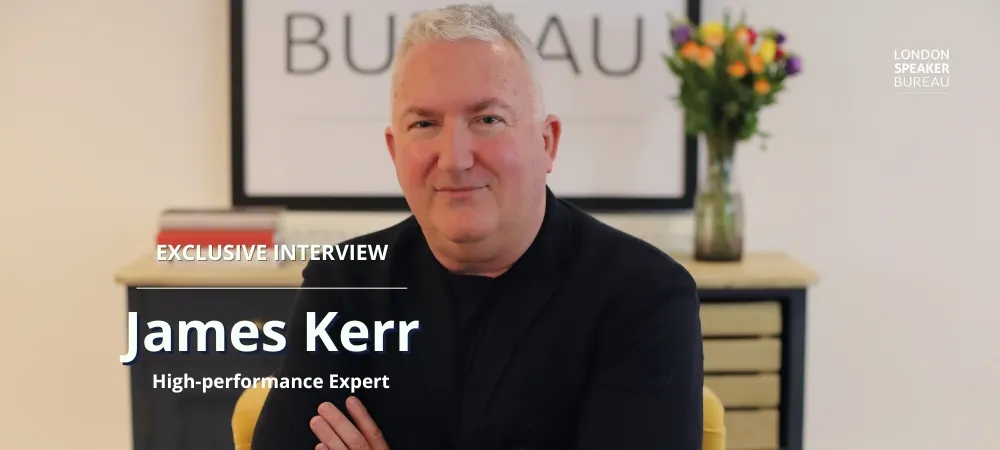

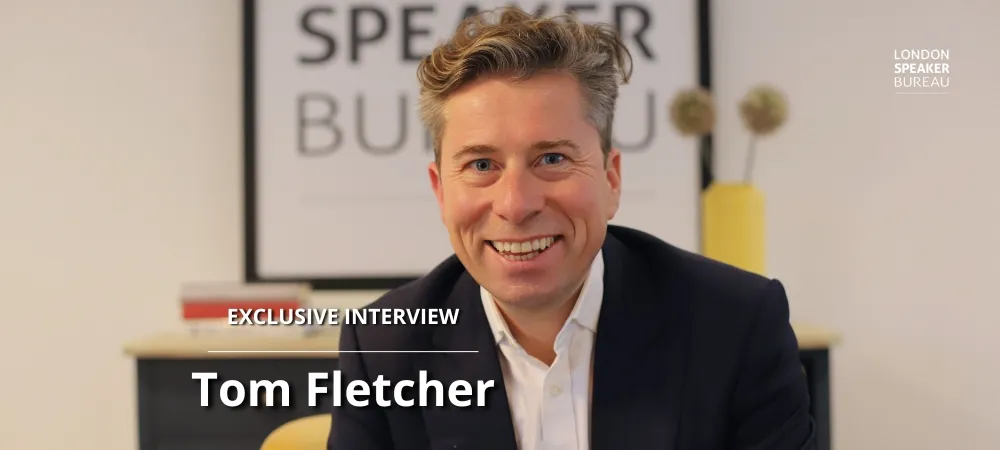

Contact usNeed help choosing your next keynote speaker?
"the only global speaker bureau"
International New York Times
London Speaker Bureau is a global resource for corporations and governments, providing keynote speakers, executive learning masterclasses and boardroom advisers. We represent some of the most influential business leaders and politicians in the world. We are currently 110 colleagues in 18 countries across Europe, the Middle East, Africa, Asia and North America.